
A house renovation is a whole-house refurbishment that brings an older or tired home up to date in one planned project. It typically combines a rewire, heating work, re-plastering, a new kitchen and bathroom, and sometimes layout changes such as removing walls, with every trade sequenced so nothing is done twice.
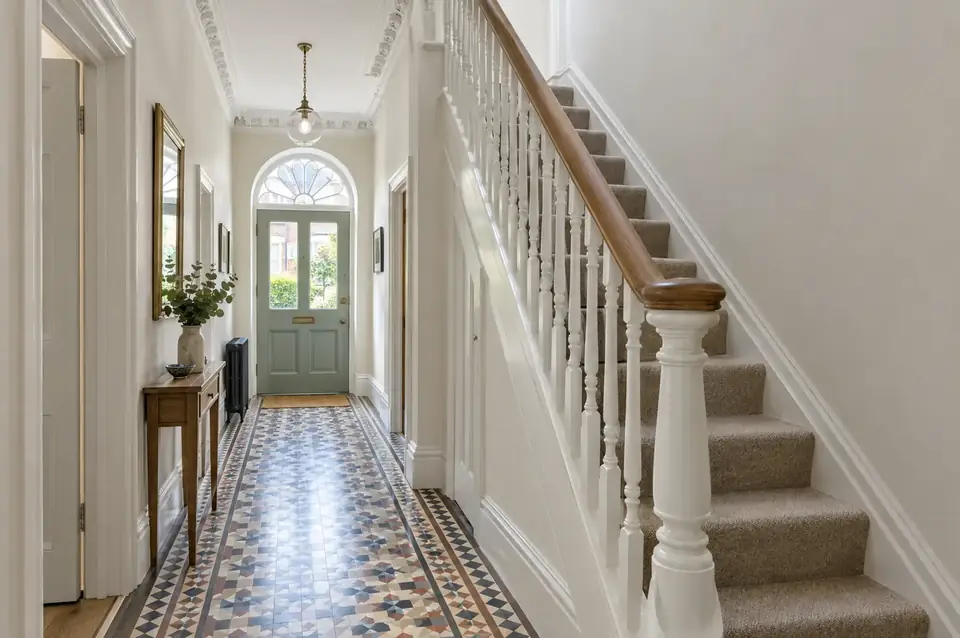
Renovating a house room by room over several years often means paying twice: the new kitchen gets damaged when the rewire comes through, or fresh plaster is chased out for new pipes. Doing it as one project avoids that. The order runs strip-out, structural changes, first fix of electrics and plumbing, plastering, then kitchens, bathrooms and finishes, with building control and electrical certification along the way.
It suits people who've bought an older home that needs updating, families inheriting a property, and owners who'd rather tackle everything once. Most renovations reveal something once walls and floors are opened up, such as old wiring, damp or tired timbers, so we survey carefully beforehand, say what we can't see, and price any changes in writing before they're done. Living elsewhere during the heaviest stages makes the job quicker and much easier on you.
Which options suit your home?
Refresh: rewire, re-plaster and redecorate
For a house with a sound kitchen and bathroom but dated electrics and tired walls. The rewire happens first, then walls and ceilings are skimmed or re-plastered, and the house is ready for decoration. It's the lightest whole-house option, and the one where living at home is most practical.
Full refurbishment
Rewire, heating upgrade, re-plastering, a new kitchen and bathroom, new internal doors, skirting and floors. This is the usual scope for an older home that hasn't been updated in a long time. The trades are sequenced so the kitchen and bathroom go in after all the dusty, wet work is finished, which protects the new fittings.
Renovation with layout changes
Adds structural work such as knocking the kitchen and dining room together, moving a bathroom, or forming an en-suite. These changes need structural calculations and Building Regulations approval and are designed before anything else is ordered, because they decide where pipes, cables and lights go in every room affected.
Empty or inherited property
A house standing empty can be renovated faster because every room is free to work in at once. If it has been empty for two years or more, a reduced VAT rate may apply where VAT is charged. Empty houses often need extra checks for frost damage to pipes, damp and security before work starts.
Phased renovation
When budget or living arrangements don't allow everything at once, we plan the whole house first and then build in phases. Rewiring and any structural work usually come first, because they affect every room, while kitchens, bathrooms and decoration follow later without anything having to be undone.
What's included when SKJ does the work?
- Free whole-house survey and an itemised written quote, broken down by room and trade
- A single programme coordinating every trade, from strip-out to final clean
- Asbestos testing arranged before any pre-2000 textured coatings or boards are disturbed
- Electrical work tested, certified and notified under Part P, with your quote naming who carries it out
- Plumbing and heating, with any gas work by a Gas Safe registered engineer named in your quote
- Structural alterations designed by an engineer, with Building Regulations approval and inspections
- Re-plastering, new kitchen and bathroom, doors, skirting and finishes as agreed
- Skips, waste removal and a builder's clean at handover, plus every certificate filed for you
How much does a house renovation cost?
Guide prices run from £18,000 to £130,000 depending on size and specification. Full refurbishment of a three-bed semi: rewire, re-plaster, heating, kitchen and bathroom: typically £50,000 – £68,000.
| Option | Guide price | Good to know |
|---|---|---|
| Refresh: rewire, re-plaster and decorate prep | £18,000 – £32,000 | Kitchen and bathroom kept |
| Full refurbishment | £45,000 – £75,000 | The usual scope on a three-bed semi |
| Renovation with layout and structural changes | £75,000 – £130,000 | Steels, moved rooms, more trades and a longer programme |
Usually included: Strip-out and waste, rewire with certification, plumbing and heating alterations, re-plastering, kitchen and bathroom to the agreed specification, internal doors and skirting, and project coordination.
Usually extra: Repairs to hidden defects found after opening up (priced in writing first), asbestos removal if found, new windows, roofing, decorating and floor coverings unless listed in your quote.
Guide ranges are the total a homeowner would expect to pay, including VAT where it applies. Your fixed price comes after a free survey.
What changes the price?
- Size of the house and how many rooms are being worked on
- Whether plaster can be skimmed or needs hacking off back to brick
- Kitchen and bathroom specification, the biggest single choices you'll make
- Heating changes, from new radiators to a new boiler and pipework
- Structural work such as wall removal, new openings or floor repairs
- Hidden issues such as damp, rot, old lead pipes or asbestos
How does the job run, start to finish?
- Whole-house surveyWe go through every room, loft and under-stairs space, test for obvious damp, look at the wiring, heating and pipework, and note anything we can't see without opening up. You get an itemised quote by room and trade, with the payment stages set out.
- Plan the order of worksWe agree the specification, order long-lead items such as the kitchen, and set a programme. Asbestos testing, structural calculations and Building Regulations applications happen now, so the build isn't held up once the house is stripped.
- Strip-out and structural workOld kitchens, bathrooms, damaged plaster and redundant pipes come out. Walls are removed or openings formed with steels where planned. This stage often reveals hidden problems; anything outside the agreed scope is priced in writing for you to approve before we carry on.
- First fix: electrics, plumbing and heatingNew cables, back boxes, pipework and waste runs go in while walls and floors are open. The electrician tests as they go. Building control inspects any structural work, and floors are repaired or replaced before plastering starts, so nothing needs disturbing later.
- Plastering and second fixWalls and ceilings are plastered and left to dry. Then the kitchen, bathroom, internal doors, skirting, sockets, switches and radiators go in. Flooring follows once the wet trades are finished, so new floors aren't damaged by later work.
- Certificates, snagging and handoverElectrical certificates, gas safety records and building control completion certificates are collected. We walk every room with you, list anything to put right, sort it, and hand over a clean house with all the paperwork in one folder.
Timescale: Usually 8–16 weeks on site for a full refurbishment.
Planning, Building Regulations and approvals
What approvals does a house renovation need?
Internal works to a house don't normally need planning permission, though listed buildings need consent and conservation areas restrict some external changes. Building Regulations approval is needed for structural alterations, new bathrooms in rooms that didn't have one, and changes to drainage. Rewiring is notifiable under Part P; it's certified by an electrician registered with a competent person scheme or inspected by building control. Replacement windows also need a registered installer or building control approval, and gas work must be carried out by a Gas Safe registered engineer.
Does re-plastering mean I have to insulate the walls?
It can. Under Part L, hacking off and replacing the plaster on more than half of an external wall counts as renovating a thermal element. Building control then normally expects the wall to be insulated to a better standard, where that's technically and economically practical. On older solid-brick homes, thin insulated plasterboard is a common answer, though it slightly reduces room sizes. A skim coat over sound existing plaster doesn't normally count. We'll tell you at the survey whether it applies.
Why is asbestos testing needed in an older house?
Asbestos was widely used in homes until its ban at the end of the 1990s, so any house built or refurbished before 2000 may contain it in textured ceilings, floor tiles, boiler cupboards, pipe lagging or soffits. It's only dangerous when disturbed, which is what a renovation does. Samples are taken and tested before strip-out starts. If anything is found, it's handled by the appropriate specialist, with the cost set out in writing before work continues.
House renovations: your questions answered
How much does a full house renovation cost in the West Midlands?
Guide prices run from about £18,000 for a rewire and re-plaster up to around £130,000 for a renovation with structural layout changes, including VAT where it applies. A full refurbishment of a three-bed semi, with rewire, re-plaster, heating work, a new kitchen and bathroom, typically costs £50,000–£68,000. Your itemised quote breaks the price down by room and trade.
How long does a whole-house renovation take?
A full refurbishment of a typical three-bed house usually takes 8–16 weeks on site. A refresh with a rewire and re-plaster can take 4–6 weeks, while projects with structural changes take longer. Ordering the kitchen, bathroom and any steel early stops the programme stalling, and plaster needs time to dry before decorating, which is built into the timetable.
Can I live in the house during a renovation?
You can during a light refresh, but it's hard during a full refurbishment. Rewiring and re-plastering touch every room, there will be days without power, water or a kitchen, and dust gets everywhere. Most people move out for the heaviest weeks, and some stay in one finished room. Working in an empty house is faster, so it can bring the finish date forward.
What happens if you find problems once walls are opened?
We stop, show you, and price the extra work in writing before doing it. Common finds in older homes include damp, rotten joists, old lead water pipes and wiring hidden behind plaster. Your quote is a fixed price for the agreed specification, and nothing outside it is added without your written agreement. We also point out at the survey anything we suspect but can't yet confirm.
Is VAT charged at 20% on renovation work?
Renovating an occupied home is normally standard-rated. Where VAT is charged, a house that has been empty for at least two years before work starts can qualify for the reduced 5% rate on qualifying work, with evidence such as a letter from the council confirming how long it's been empty. Your quote sets out exactly how VAT applies to your job.
What paperwork will I get at the end?
You'll get the electrical installation certificate for the rewire, gas safety and commissioning records for any gas work, building control completion certificates for structural work or new bathrooms, and manufacturers' guarantee documents for fittings, with the terms set out in your quote. Keep them together, as a buyer's solicitor will ask for them. Ask us for current insurance details with your quote.
Which areas do we cover for house renovations?
We cover the whole West Midlands from West Bromwich. Pick your area for local details, councils and postcodes:
- House renovations in Sandwell
- House renovations in Birmingham
- House renovations in Dudley
- House renovations in Walsall
- House renovations in Wolverhampton
- House renovations in Solihull
- House renovations in Coventry
- House renovations in Staffordshire
- House renovations in Worcestershire
- House renovations in Warwickshire